Navigating college life is challenging enough, but adding the complexities of addiction recovery can feel overwhelming. For students attending UCLA and USC, know that you're not alone. Both universities and the surrounding Los Angeles area offer a robust network of support to help you thrive academically and maintain your sobriety. This guide provides information on resources specifically tailored to college students in recovery near Westwood and University Park.
Collegiate Recovery Communities (CRCs)
Collegiate Recovery Communities (CRCs) provide a supportive, on-campus environment for students in recovery. They offer a sense of belonging, peer support, and resources to help students balance academics with their sobriety goals.
UCLA's Collegiate Recovery Program (CRP)
UCLA's CRP, while not a formal "community" with dedicated housing, offers a variety of resources including:
- Individual Counseling: Licensed therapists specializing in addiction and recovery are available through UCLA Counseling and Psychological Services (CAPS).
- Support Groups: CAPS offers various support groups addressing substance use, mental health, and related issues. Check their website for current offerings and schedules.
- Educational Workshops: Workshops on topics like relapse prevention, stress management, and coping skills are regularly offered.
- Connection to off-campus resources: UCLA CAPS can connect you to local AA/NA meetings, sober living environments, and other community support services.
Contact UCLA CAPS directly to inquire about specific recovery-focused services and how to get involved.
USC's Trojans Recovery Community (TRC)
USC has a more formally established Trojans Recovery Community (TRC). They provide:
- A dedicated space on campus: A safe and sober space for students to connect, study, and socialize.
- Peer Support Meetings: Regular meetings facilitated by students in recovery.
- Social Events: Sober social activities to foster community and connection.
- Educational Programming: Workshops and presentations on topics related to recovery.
- Connections to Resources: Links to counseling services, medical professionals, and off-campus support groups.
Contact the USC Student Health Center or the TRC directly to learn more about their offerings and how to join.
Sober Living Options
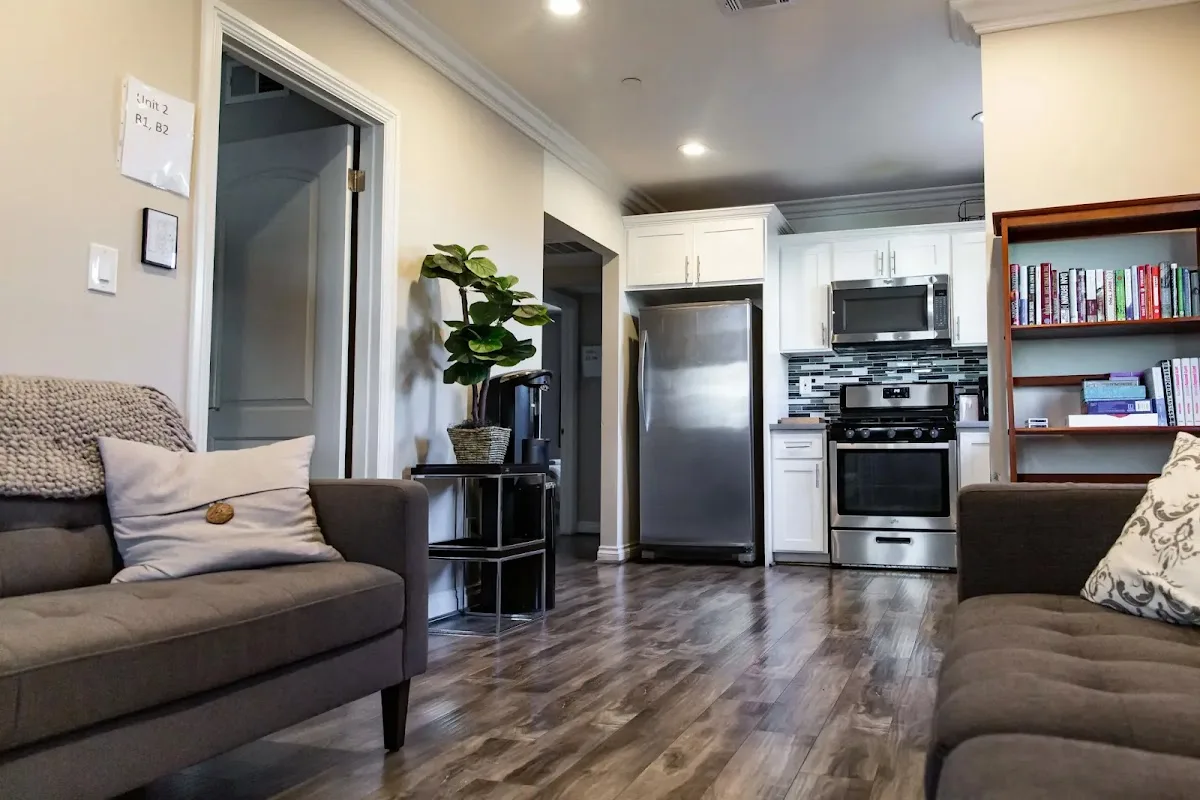
Sober living environments (SLEs) provide a structured, supportive living environment for individuals in early recovery. They typically involve house rules, regular drug testing, and participation in recovery activities. Here are some areas to consider for sober living near UCLA and USC:
Westwood/Brentwood:
While Westwood itself has limited dedicated sober living, the adjacent Brentwood area offers some options. These tend to be higher-end and may be more expensive. Look for houses that specifically cater to students or young adults. You can often find listings on websites like Sober House Directory or through referrals from therapists or recovery centers.
- Pros: Close proximity to UCLA, safe neighborhoods, access to amenities.
- Cons: Higher cost of living, limited availability.
Culver City:
Culver City is a vibrant area a short drive from both UCLA and USC. It offers a wider range of sober living options at potentially more affordable prices. Look for houses near public transportation routes for easy access to campus.
- Pros: More affordable than Westwood, good transportation options, diverse community.
- Cons: Further from UCLA, requires commute.
South Los Angeles (near USC):
The neighborhoods surrounding USC, particularly to the south and east, have a number of sober living environments. These may be more budget-friendly but require careful vetting to ensure quality and safety.
- Pros: Close proximity to USC, potentially lower cost.
- Cons: Requires careful vetting, potential safety concerns in some areas.
Finding Vetted Student-Friendly Sober Living:
Due Diligence is Key. Contact the Sober Living Network in Los Angeles for referrals to certified sober living homes. Ask potential houses specific questions:
- Licensing and Certification: Is the house licensed or certified by a reputable organization?
- House Rules: What are the rules regarding curfews, chores, and visitors?
- Drug Testing: How often is drug testing conducted?
- Recovery Support: What recovery support services are offered (e.g., house meetings, 12-step meetings)?
- Staffing: What is the staff-to-resident ratio? Are staff members qualified and experienced in addiction recovery?
- Cost and Payment Options: What is the monthly rent? What payment options are available?
Balancing Academics with Sobriety
Maintaining sobriety while attending college requires careful planning and commitment. Here are some strategies:
- Prioritize Recovery: Make recovery your top priority. Schedule meetings, therapy appointments, and sober activities into your weekly schedule.
- Time Management: Develop effective time management skills to balance academics, recovery, and personal life.
- Study Groups: Form study groups with sober classmates to provide academic support and social connection.
- Communicate with Professors: If necessary, inform your professors about your recovery and any accommodations you may need.
- Utilize Campus Resources: Take advantage of tutoring services, writing centers, and other academic support resources offered by the university.
- Don't Overcommit: Avoid overcommitting to activities that could compromise your sobriety or academic performance.
Student Health Center Addiction Resources
Both UCLA and USC Student Health Centers offer confidential and comprehensive addiction resources:
- Assessment and Evaluation: Screening for substance use disorders and assessment of individual needs.
- Individual Counseling: Therapy with licensed professionals specializing in addiction.
- Group Therapy: Support groups for students struggling with substance use.
- Referrals: Referrals to off-campus treatment centers, sober living environments, and other community resources.
- Educational Materials: Information on substance abuse, addiction, and recovery.
- Medical Support: Medical management of withdrawal symptoms and co-occurring medical conditions.
AA Meetings Near Campus
Attending Alcoholics Anonymous (AA) meetings is a crucial part of many recovery journeys. Here are some AA meeting locations near UCLA and USC:
Near UCLA (Westwood/Bel Air):
- Westwood United Methodist Church: Often hosts multiple AA meetings throughout the week.
- Brentwood Presbyterian Church: Another common location for AA meetings.
- Online Meetings: Numerous online AA meetings are available 24/7.
Near USC (University Park/Exposition Park):
- The Alano Club of Los Angeles: Located downtown, offers a wide variety of meetings.
- Neighborhood Church (Pasadena): A short drive from USC, with a strong AA presence.
- Online Meetings: Numerous online AA meetings are available 24/7.
Use the AA website (aa.org) to find up-to-date meeting schedules and locations.
Navigating Greek Life and Social Pressure Sober
Greek life and college social events can present challenges for students in recovery. Here are some tips for navigating these situations:
- Be Honest and Open: Be open about your sobriety with trusted friends and fraternity/sorority members.
- Choose Sober Activities: Seek out sober social activities and events.
- Have an Exit Strategy: Plan ahead for social situations and have an exit strategy if you feel uncomfortable.
- Bring a Sober Buddy: Attend parties or events with a sober friend for support.
- Remember Your Priorities: Remind yourself of your commitment to sobriety and your long-term goals.
- Consider Alternatives: If Greek life proves too challenging, consider alternative social groups or activities.
Financial Aid and Housing Considerations
Paying for college and sober living can be a significant concern. Explore these financial aid and housing options:
- FAFSA: Complete the Free Application for Federal Student Aid (FAFSA) to determine your eligibility for federal financial aid.
- Scholarships: Apply for scholarships specifically for students in recovery. Organizations like the Addiction Scholarship Program offer financial assistance.
- University Grants: Inquire about grants offered by UCLA and USC to students with financial need.
- Sober Living Scholarships: Some sober living environments offer scholarships or payment plans.
- Work-Study Programs: Consider participating in work-study programs to earn money while attending college.
Young People in AA (YPAA)
Young People in AA (YPAA) is a fellowship of young people in Alcoholics Anonymous. YPAA groups offer a supportive and relatable environment for young people in recovery. Look for YPAA meetings in the Los Angeles area to connect with other young people in sobriety.
Final Thoughts
Recovery in college is possible. By utilizing the resources available at UCLA and USC, connecting with the recovery community, and prioritizing your sobriety, you can achieve your academic goals and live a fulfilling, sober life. Remember to be patient with yourself, seek support when needed, and celebrate your successes along the way. The Los Angeles recovery community is vast and welcoming, offering a strong foundation for your journey.